
Silicosis x-ray: what doctors look for
A chest x-ray can show silicosis. A more detailed scan called high-resolution CT (HRCT) is better at detecting it. No doctor will diagnose silicosis from an image alone. They also check your history of working around silica dust and make sure another lung illness isn't the real cause.
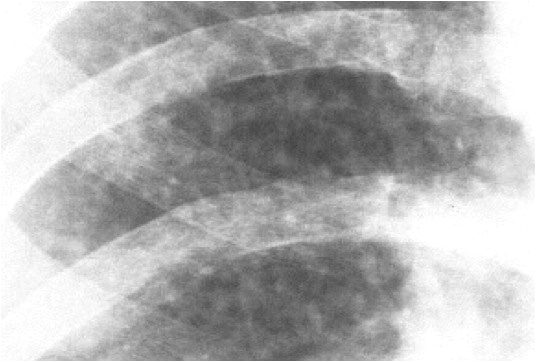
What a chest x-ray shows in silicosis
If silicosis seems possible, doctors use a chest x-ray to check whether the lungs' structure has changed. A chest x-ray, sometimes called a chest radiograph, is a picture of your chest. It serves as one of 3 essential pieces of a silicosis diagnosis.
These x-rays also spot workers whose lungs have been harmed by dust. Catching these illnesses early matters, since cutting back on or ending further dust exposure can slow the disease down.
Accelerated and chronic silicosis look the same on an x-ray. Doctors tell them apart by how many years passed between your exposure and the first signs of illness.
Who reads a silicosis x-ray?
A B Reader may be the one who reads your x-ray. A B Reader is a doctor with special training and certification to grade chest x-rays of people who have breathed in mineral dust.
To grade the images, B Readers use a scoring method from the International Labour Office. It's the most widely used way to grade dust-related lung disease on chest images, and public health agencies around the world use it. Results also hinge on the skill of the staff, the quality of the equipment, and how the x-ray itself is taken.
Comparing the CT scan with the x-ray
For the chest, a CT scan gives sharper, clearer pictures of the lungs than a standard x-ray does. The detailed version is called HRCT, short for high-resolution CT.
HRCT scans pick up silicosis more easily than chest x-rays do. That means a CT scan can sometimes show silicosis that an x-ray misses.
How is a silicosis diagnosis made?
Before calling it silicosis, doctors need 3 things:
- A record of having breathed in fine silica dust, most often on the job.
- Chest x-ray or HRCT images of your lungs that match silicosis.
- Ruling out other possible causes of your lung disease.
Lung function tests check how well your lungs work, including how well they get oxygen into your blood. One test uses a device called a spirometer to measure your breathing. Lab tests can't diagnose silicosis by themselves, but they're useful for ruling out infections and illnesses that look alike.
If your doctor suspects silicosis, they may send you to a lung specialist for more tests to confirm it. Since silicosis makes TB more likely, doctors sometimes suggest testing for it. A lung biopsy, in which a surgeon removes a sample of lung tissue while you're under general anesthesia, is rarely recommended.
Preparing for your doctor visit
To figure out how likely silica exposure is, your doctor will go through your job history in detail. Notes you bring with you make answering easier:
- Every job you've held over your career, plus how long each one lasted
- The products you worked with
- The protective gear you used, like a face mask
- Whether you've ever used tobacco
You'll also be asked how your breathing feels, both while resting and while exercising.
How the types of silicosis differ by years of exposure
Breathe in more silica, and the disease tends to show up sooner. The CDC and Cleveland Clinic give slightly different time ranges.
| Type | CDC | Cleveland Clinic |
|---|---|---|
| Acute | Brief but intense exposure, often just weeks to months | Typically 5 years or less, occasionally only months |
| Accelerated | Heavy exposure lasting roughly 5 to 10 years | Heavier exposure over about 2 to 5 years |
| Chronic, the most common | Longer stretches of lighter exposure, 10 years or more | Generally past the 10-year mark |
According to the NHS, most cases of silicosis take 10 to 20 years to develop after exposure starts. Cutting stone, sandstone above all, plus jobs involving concrete and paving in construction, are especially risky. Working with engineered stone has caused many cases in just the last 5 years.
Questions people often ask
What symptoms show up first with silicosis?
Early on, you may have no symptoms whatsoever. Symptoms can show up or worsen years later, even long after your time around silica dust ended. Going in for regular checkups makes it easier to catch early, so you can stay away from more exposure.
Is there any way for lungs to heal after silica dust?
There is no cure for silicosis, and the lung damage cannot be reversed. But reducing or stopping further dust exposure can help slow the disease. For some people, a lung transplant may be needed. Nintedanib, sold as OFEV, is FDA-approved for pulmonary fibrosis, a condition involving lung scarring; that is not the same as approval to treat silicosis.
What's the life expectancy with silicosis?
Some people live 10 to 20 years or longer after a silicosis diagnosis. If the disease progresses to a severe form called progressive massive fibrosis, the outlook is poor.
Does silicosis open the door to other health problems?
It does. Breathing silica is tied to TB, lung cancer, COPD, and kidney failure. Those with silicosis also have a higher chance of scleroderma, rheumatoid arthritis, and lupus, and the longer silicosis goes untreated, the more the risk of complications grows.
Could a silicosis diagnosis support a compensation claim?
If you got silicosis from your job, you may be able to claim workers' compensation. Each state runs its own system, and we list the agency for every state on our workers' compensation page. In the UK, those who breathed in silica as employees, though not as self-employed workers, can receive a weekly industrial injuries disablement benefit.