
What causes silicosis?
The main silicosis causes come down to breathing in silica dust, and for most people that happens at work. The dust gets into the air when stone, rock, concrete, brick, block, or mortar is cut, sawed, ground, drilled, or crushed, according to OSHA.
Silicosis and how it affects your lungs
It's a disease of the lungs that comes from inhaling small particles of silica, most often around mines and construction sites. As years pass, the dust leaves scarring in the lungs and can make it harder to breathe.
The American Lung Association calls it a form of pulmonary fibrosis, which means scarring of the lungs.
Because the scarring can't be undone, there's no cure. Treatment eases symptoms, and some patients end up needing a lung transplant. Some people live for 10 to 20 years or longer after a silicosis diagnosis.
Where does silica come from?
Silica is a mineral you'll find all around you, in sand, quartz, and lots of other kinds of rock. Eating or drinking it isn't dangerous. The problem is breathing in certain forms of the dust.
The dangerous form is known as respirable crystalline silica. These particles are at least 100 times smaller than ordinary sand, and breathing them in can permanently scar your lungs.
Sand, stone, concrete, and mortar all hold this form of silica. It also goes into glass, pottery, ceramics, bricks, and artificial stone. Around 2.3 million U.S. workers face it at work.
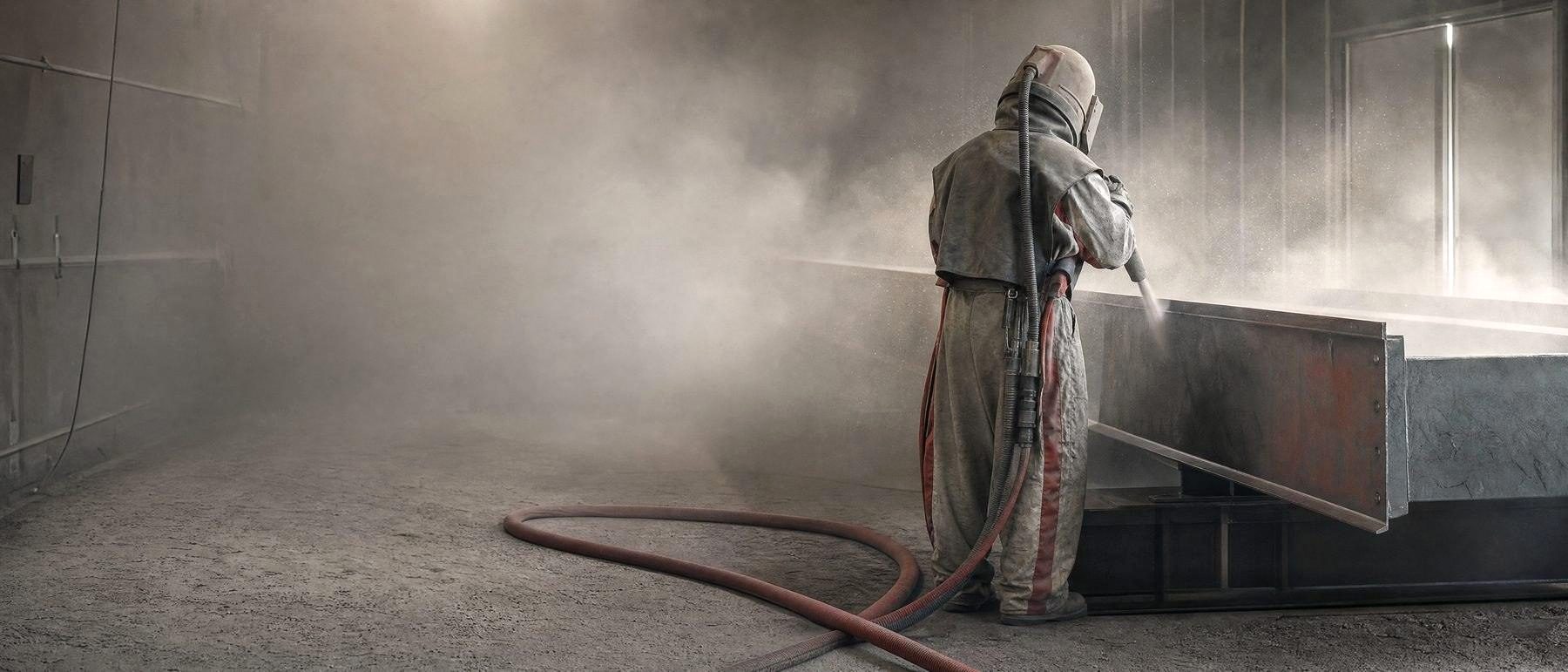
Silicosis from sandblasting
When workers blast surfaces with sand, they breathe in silica dust small enough to reach the lungs. Research has tied sandblasting to silicosis. When dust levels are very high, harm can show up fast, sometimes in just months or a few years.
Mining and quarrying
Mining and quarrying are among the jobs linked to silicosis. Crushing stone and rock makes the fine dust. Another source is the industrial sand used for hydraulic fracturing, or fracking.
Silicosis on construction sites
Construction ranks among the top industries where people breathe in silica. Drilling, grinding, and sawing brick or concrete all throw the dust into the air. Stone masonry and demolition work are also linked to the illness.
OSHA has two silica rules: one for construction, and one for general industry and maritime work.
Foundry work
The industrial sand used in foundries gives off silica dust workers can breathe in. Foundries also appear among the employers this site lists as cited by OSHA over silica dust, with citations dating back to August 2019. That list names 44 employers in 15 states, and it covers foundries, brick plants, concrete and masonry companies, and construction contractors.
Stone countertops and engineered stone
Cutting, grinding, or polishing engineered stone for kitchen and bathroom countertops has made workers sick with silicosis. Engineered stone with high quartz content carries more silica than granite or natural marble. Within the past 5 years, a large number of people have gotten sick from this kind of work.
In 2026, OSHA and the National Institute for Occupational Safety and Health (NIOSH) issued a hazard alert warning about silica dust released while countertops are made, finished, and installed. 25 of the 44 employers in these citation records run stone or countertop shops.
How long does exposure take to cause damage?
The more dust you breathe, the sooner harm tends to appear. Symptoms might show up anywhere from a few weeks to many years after the exposure. They can also begin or worsen after you've left the dusty work behind.
| Kind of silicosis | When it usually appears | Dust level |
|---|---|---|
| Acute | Can develop within weeks or months; usually develops within 5 years | Very high |
| Accelerated | Roughly 2 to 10 years (sources differ: the Cleveland Clinic says 2 to 5, the CDC says 5 to 10) | High |
| Chronic (the most common) | 10 years or more | Lower |
With acute silicosis, parts of the lung fill up with fluid. It usually causes severe illness or death.
Other health problems tied to silica dust
Too much silica in the lungs can also lead to lung cancer, chronic obstructive pulmonary disease (COPD), kidney failure, and certain autoimmune conditions. Silica exposure, and silicosis itself, also raise the odds of getting tuberculosis.
Diagnosis and your work history
Doctors use 3 clues to diagnose silicosis, and one of them is a history of breathing in silica dust. A chest X-ray can show silicosis, but a detailed CT scan of the lungs is better at spotting it.
Health checks on a regular schedule can catch silicosis early. Finding it early gives workers the chance to stay away from more dust and slow the disease down.
What must employers do about silica dust?
In the United States, OSHA writes the rules employers have to follow. Employers must:
- Keep dust down with water-fed tools and ventilation
- Give workers a properly fitted respirator whenever silica goes above the legal limit
- Cover free medical checkups for any worker whose exposure goes above that limit
Beyond that, employers can lower risk with dust collection systems, water sprays, and wet drilling. A HEPA-filter vacuum or a wet mop cleans up more safely than a dry broom.
Workers' compensation for silicosis
If you think silica dust at work made you sick, you may be able to get workers' compensation. Each state runs its own system, and we list every state's agency, drawn from the Labor Department's list of state officials, on our workers' compensation page. You can also get a free claim review by phone, in English or Spanish. The call goes to a law firm that advertises on Silicosis Claims.